

A LIVING LEGEND

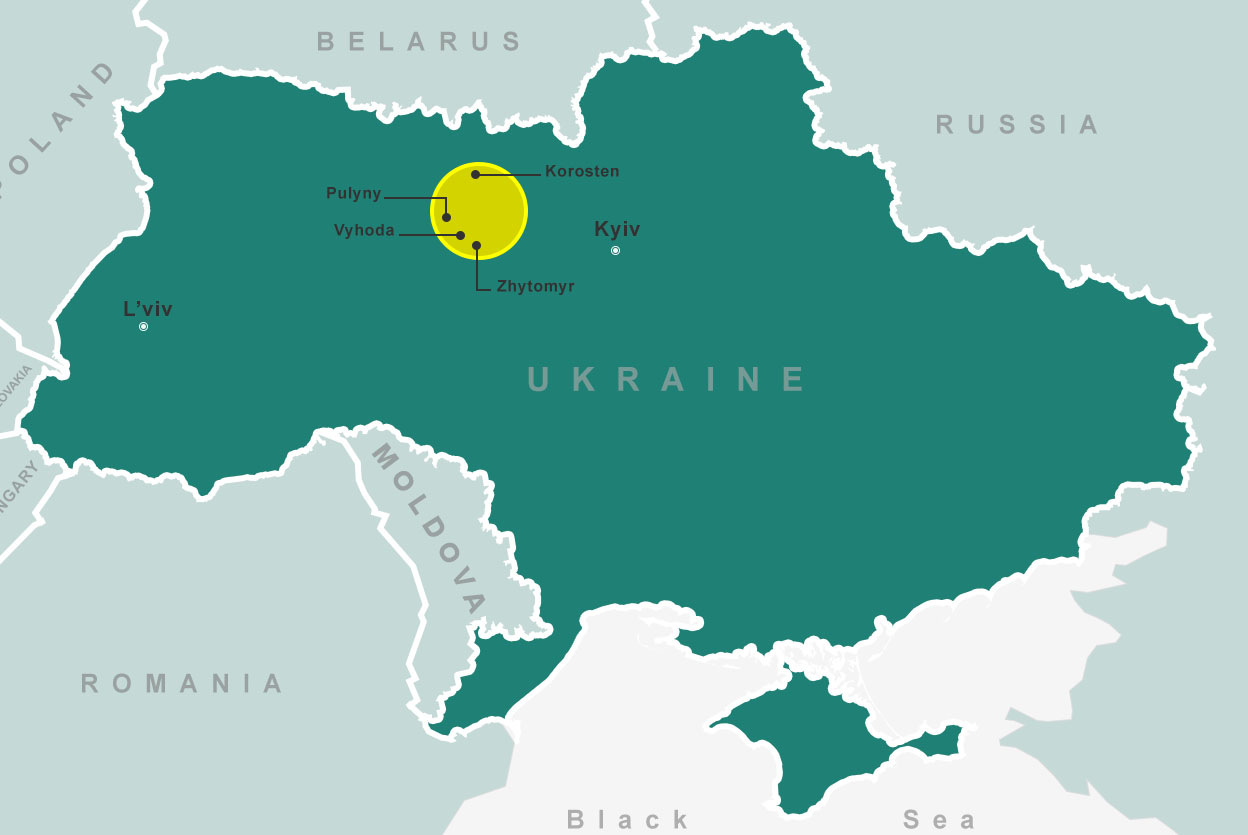
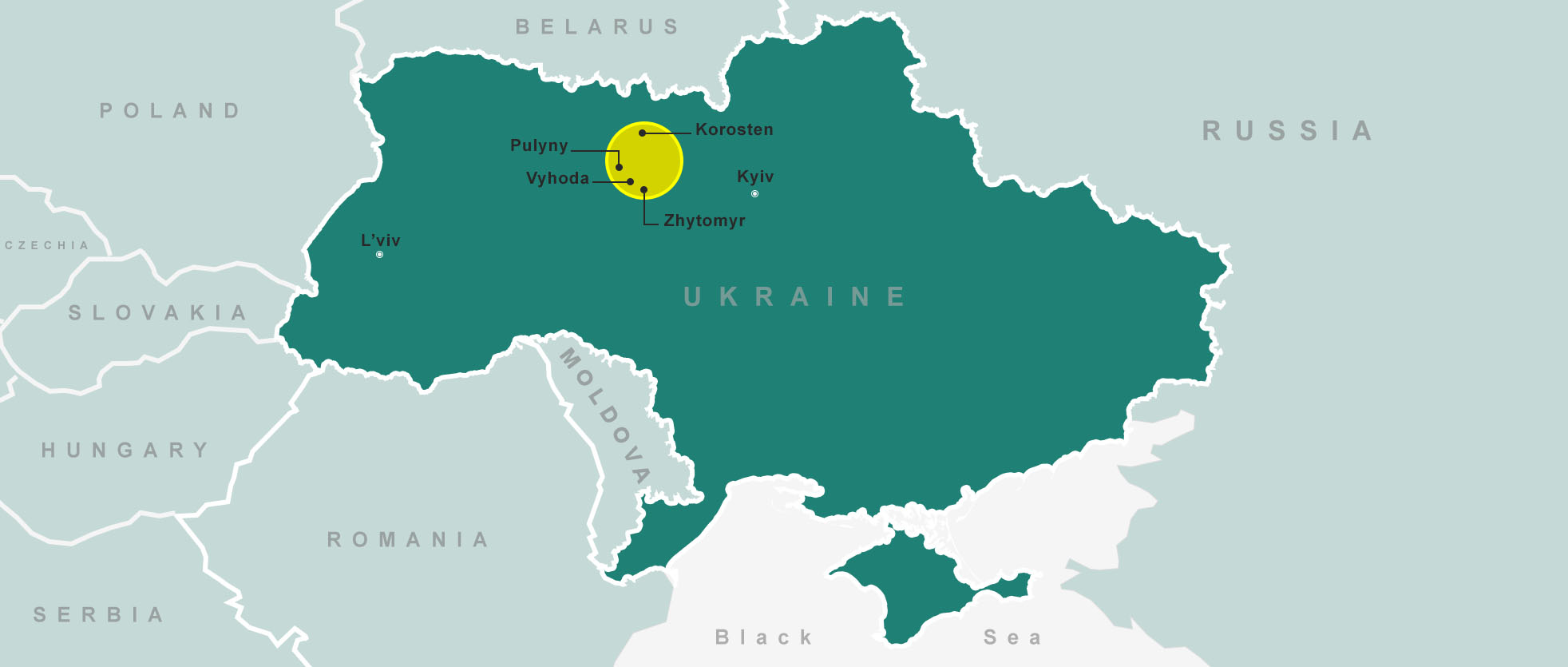
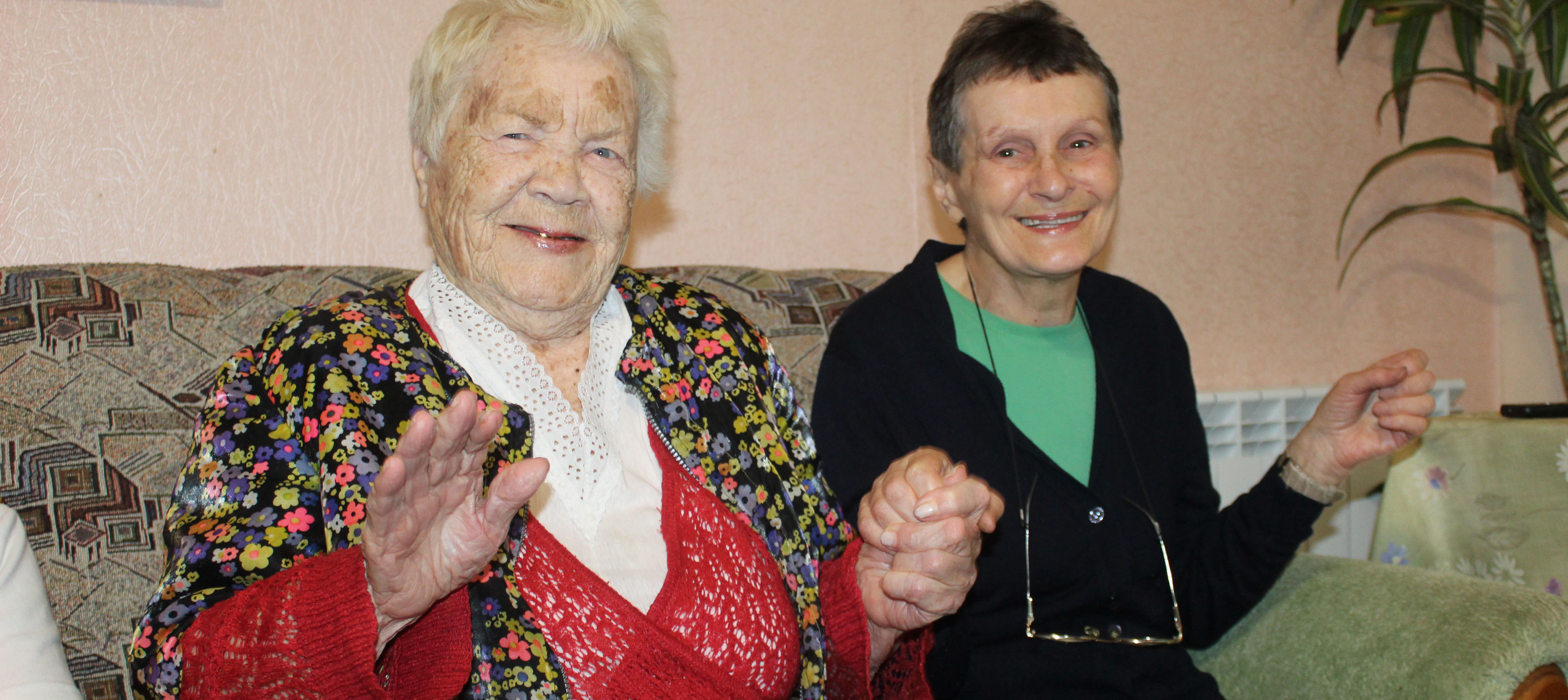
Franz Brzhezytskiy is known as living legend in the Zhitomir region. He was a prisoner of World War II in a rather dramatic way. He was interred in the KGB prison in Zhitomir on two different occasions, first in 1942 at the hands of the Germans, and then in 1946 by the Russians. "Each time," he said, "I was put in same cell: Number 8."


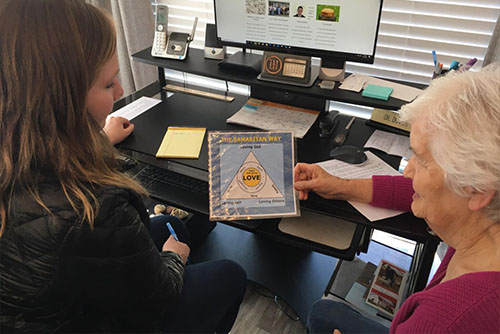
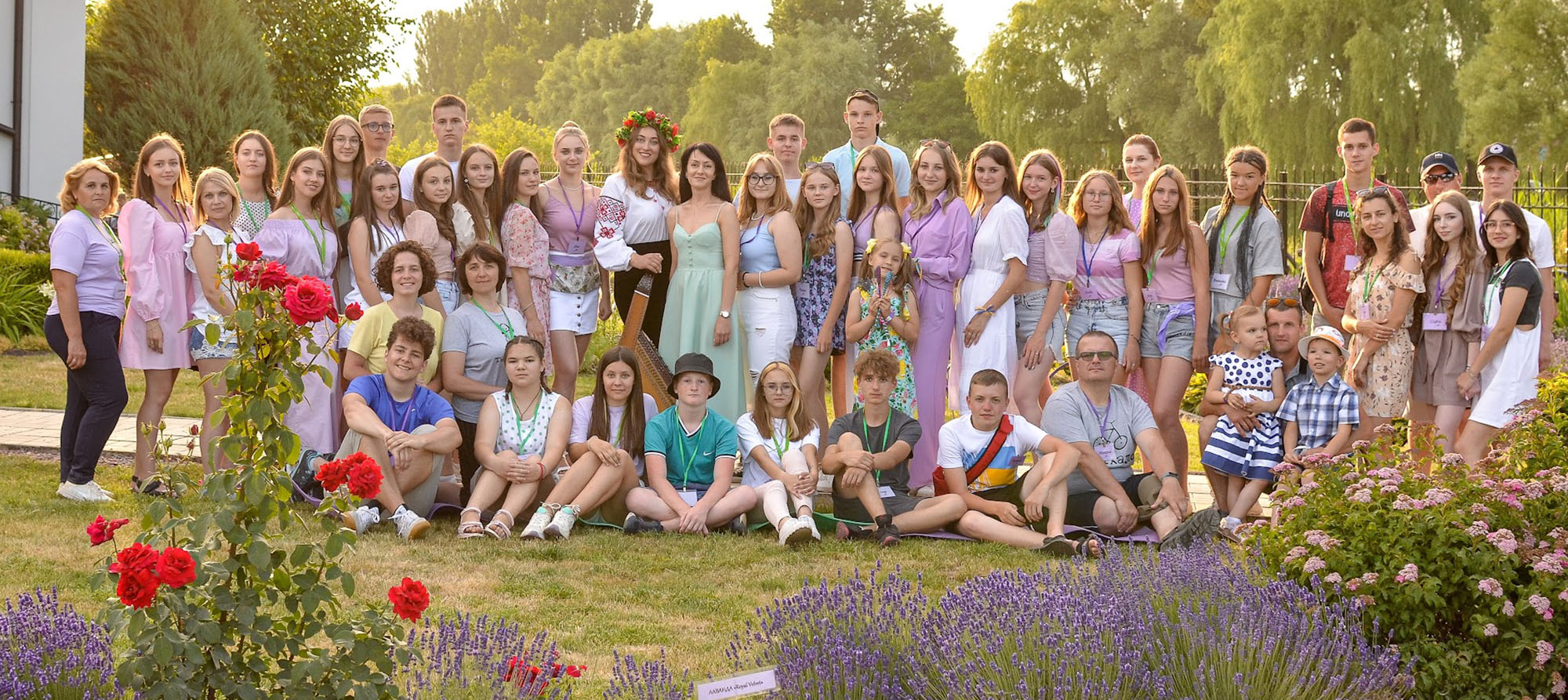
Several weeks ago, Franz recounted his experiences to the 11th-grade pupils and teachers from Pulin School District. The event was occasioned by the work that our Community Center is doing in connection with the German project, Generation Dialog, made possible through a $12,000 grant given to SMU. The main purpose of the project is to raise interest and awareness among young people of the events that took place in Ukraine during the German occupation (1941-1943), and to teach youth the importance of preserving history, even the parts we would like to forget. Franz was 16, when World War II broke out in Zhitomir. He was active with underground work, and after awhile was arrested by the Germans. He was held in the KGB "death chamber" in Zhitomir, waiting for execution, but destiny prepared him for another trial more dreadful than death.

More dreadful then death…


One night he was taken to the Zhitomir train station, where some 1,240 people were crammed into cattle cars. After two days, they arrived to Lublin, Poland, where they were dumped into a concentration camp called, Camp Majdanek. The camp was build by Soviet prisoners of war. The territory of the camp was a little over a section in size, some 700 acres. 'It was a hellish 'waste land,'" he said. Ashes from cremated prisoners were used to fertilize the land. In that camp over 1.5 millions people were annihilated. But Franz managed to survive.

Lessons of Survival


Franz remembers his first day in that camp very well. "Everybody got a number," he said. Nobody used his last name in there. I was No.10741." The most difficult year was 1943. Prisoners died after severe beatings, of starvation, cold, typhus, and dysentery. He remembers lines of people heading for the gas chambers. A few times, his own life was on the brink of death. In April 1944, he was transferred to Camp Lyaitmerits, Czech. In that camp, they did not kill the prisoners as they needed them for work. He worked very hard in a mine for one year. "I learned many lessons of survival while in camp," Franz said. On the 8th of May 1945, the Soviet army released the camp prisoners, who returned home. They were met by happy people with flowers and smiles.

Sent to a Soviet Gulag


After several years, Franz was arrested by the Communists. He was brought to trial and accused of counter-revolution activity. He was sentenced to 10 years in a Gulag and sent to Omsk in Siberia. There he met many famous writers, artists, and journalist, who whet his appetite for poetry for life. He spent five years, two months and seven days there in hard labor. He returned to his home a broken, but happy man.


Franz concluded by saying, "Only God helped me through those difficult times. But its important to remember our past, even the difficult times, for in so doing we can learn from our mistakes and not repeat them." It was a day to remember!


Subscribe to Newsletter


Widows in Distress

Miracle Stories

Our Mission

GSM UKRAINE
12814 NW Bishop Rd.
Hillsboro,OR 97124
(503) 647-5858
dnmiller@whiz.to